The latest developments in Caribbean space science, satellite missions, and STEM education across the region.
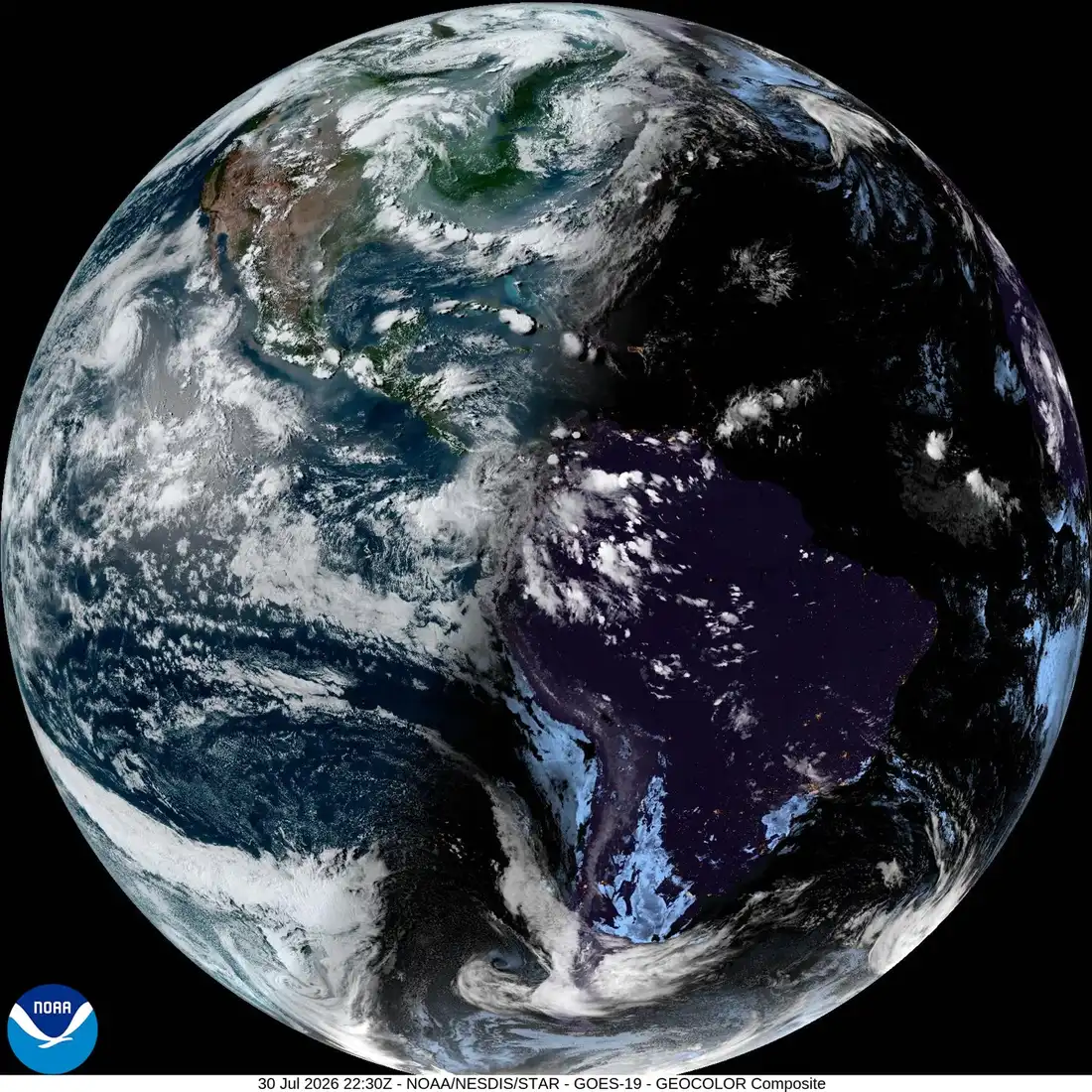
GOES-19, the primary satellite tracking tropical waves across the Atlantic, Caribbean, and Gulf, has returned to full service after slipping into an unexpected safe hold. NOAA engineers recovered the spacecraft within a day, restoring real-time hurricane tracking, lightning mapping, and sea-surface temperature monitoring just as the 2026 Atlantic season enters its active phase.
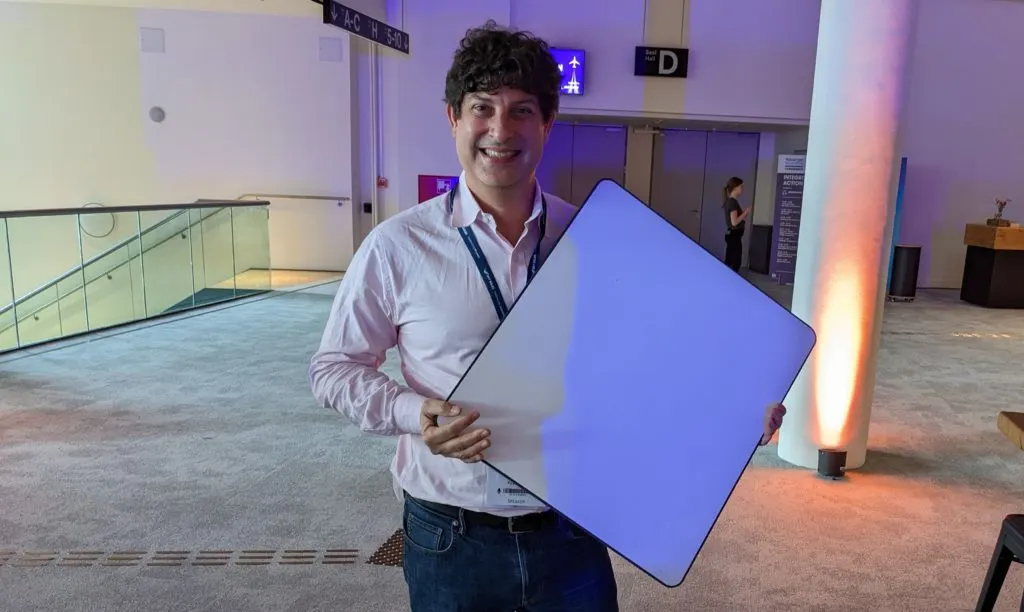
Frontier Airlines announced its first Starlink-equipped aircraft will enter service in early 2027, bringing SpaceX-powered high-speed internet to a low-fare network spanning San Juan, Punta Cana, and Montego Bay. The deal makes satellite broadband a standard feature on some of the Caribbean's busiest tourism corridors.
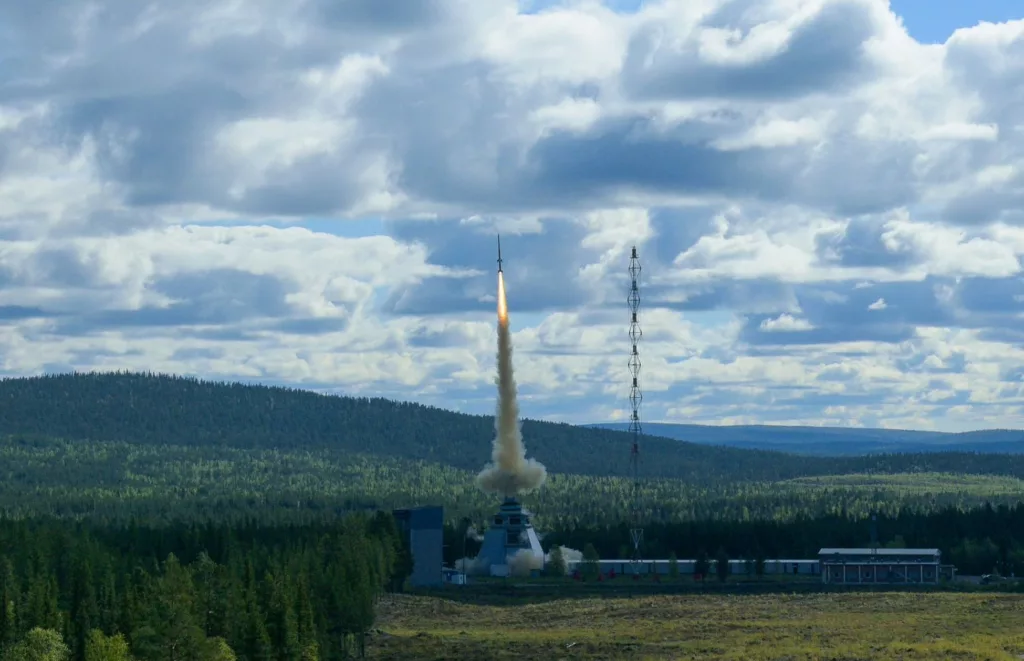
Under the CARISPACE initiative, Nevis launched the first space life sciences experiment from the Caribbean region aboard SSC's SubOrbital Express S1X-5/M17 sounding rocket from Esrange, Sweden. Reaching 260 km with over six minutes of microgravity, the experiment studied how gravity changes affect human immune cells, a landmark moment for Caribbean-led space research.
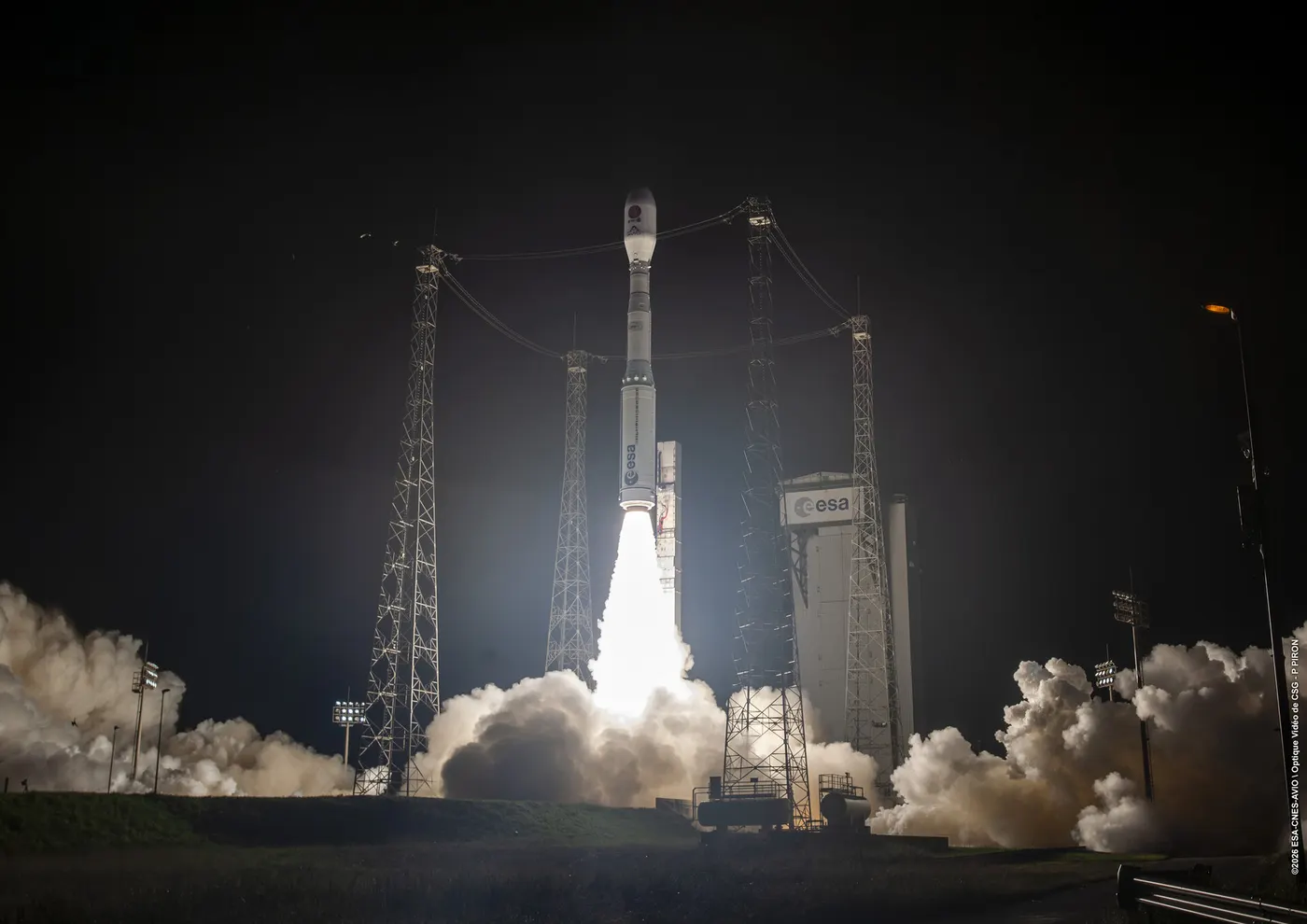
The ESA–Chinese Academy of Sciences SMILE mission launched successfully aboard a Vega-C rocket from the Guiana Space Centre, deploying its spacecraft roughly 57 minutes after liftoff. SMILE will image Earth's magnetosphere in soft X-rays and ultraviolet for up to 40 hours per orbit, transforming our understanding of how solar wind batters the planet's magnetic shield.
The European Space Agency and France's CNES signed a new operational funding agreement securing the Guiana Space Centre's operations from 2026 to 2030. The pact underwrites Europe's equatorial launch capability in the Caribbean basin as Ariane 6 and Vega-C flight rates climb.
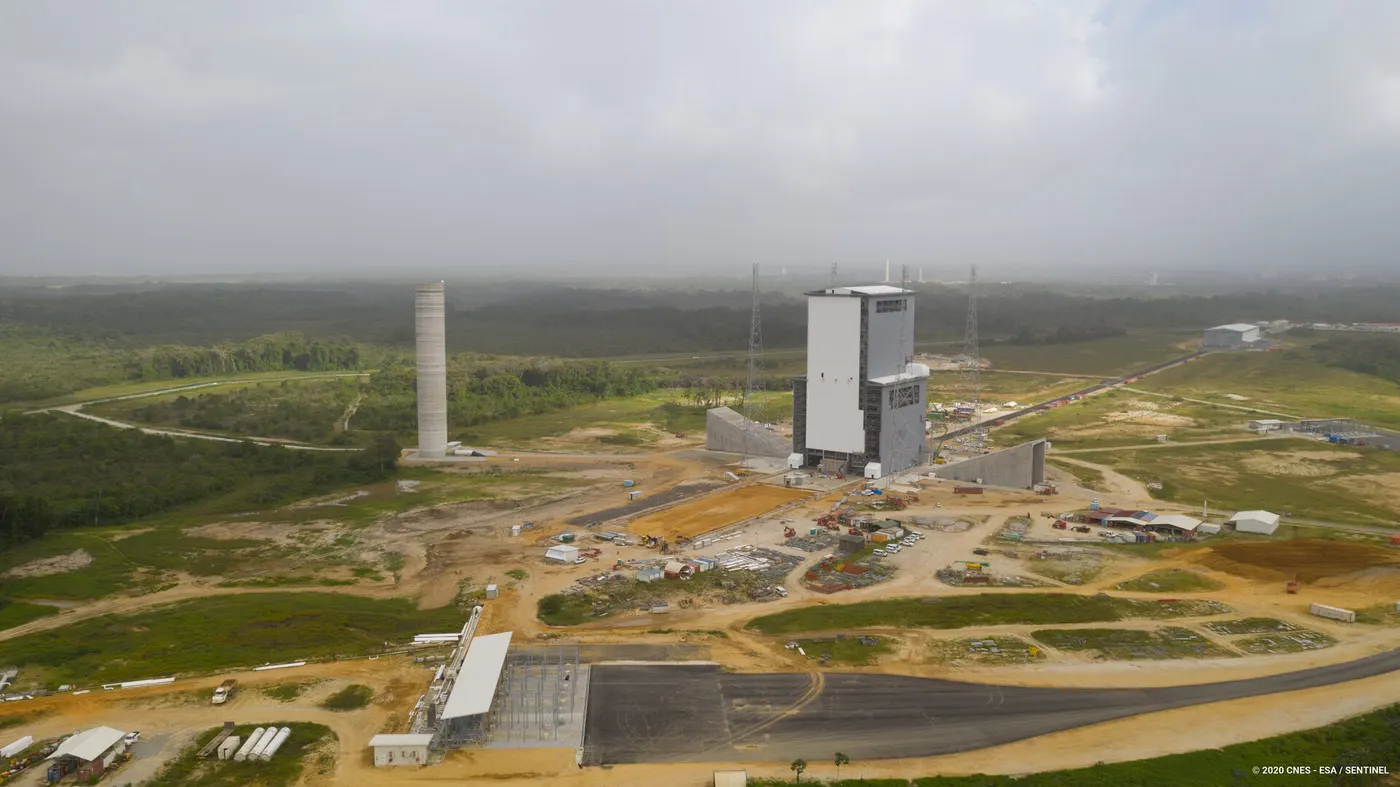
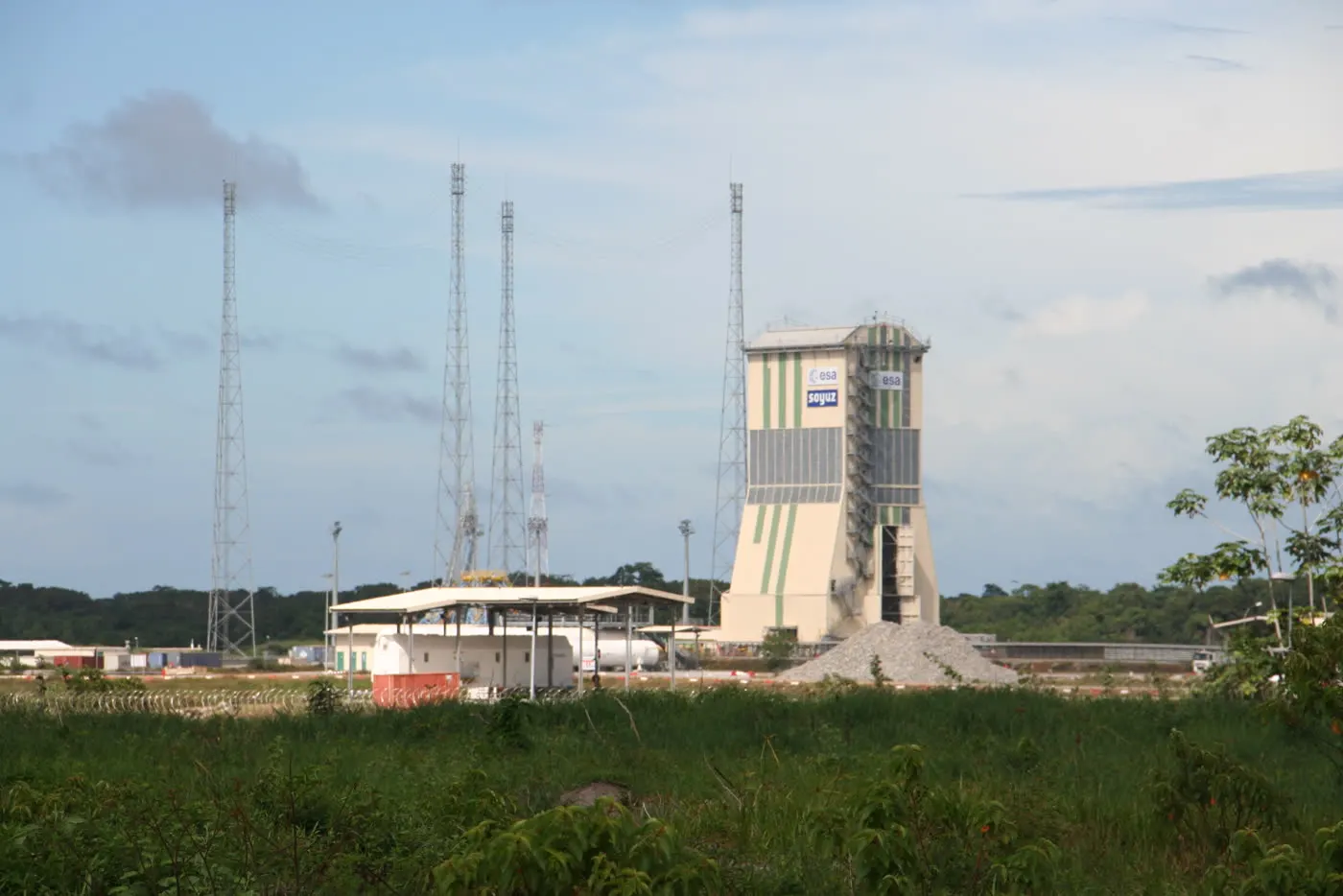
The 52-metre mobile service tower of the dormant Soyuz launch complex at the Guiana Space Centre was brought down in a controlled demolition, closing the chapter on Russian launches from South America. The cleared site opens room for a new generation of European commercial launchers on Caribbean soil.
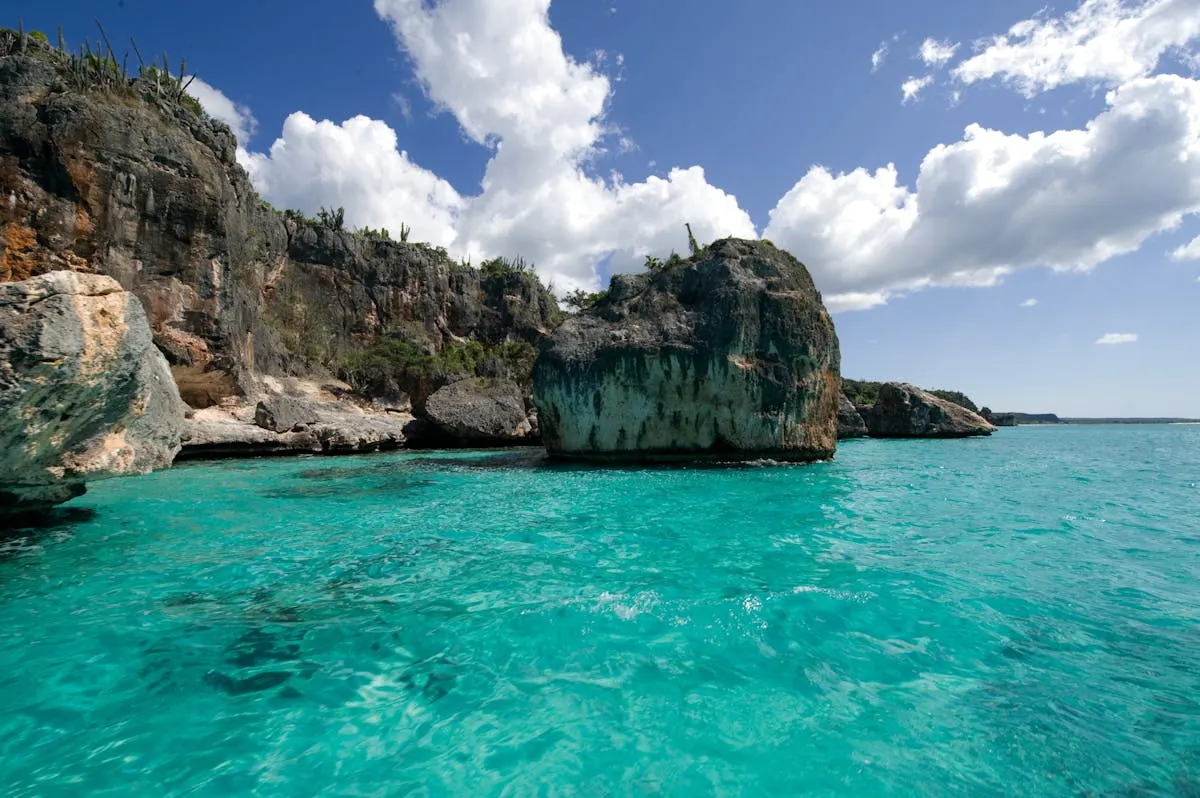
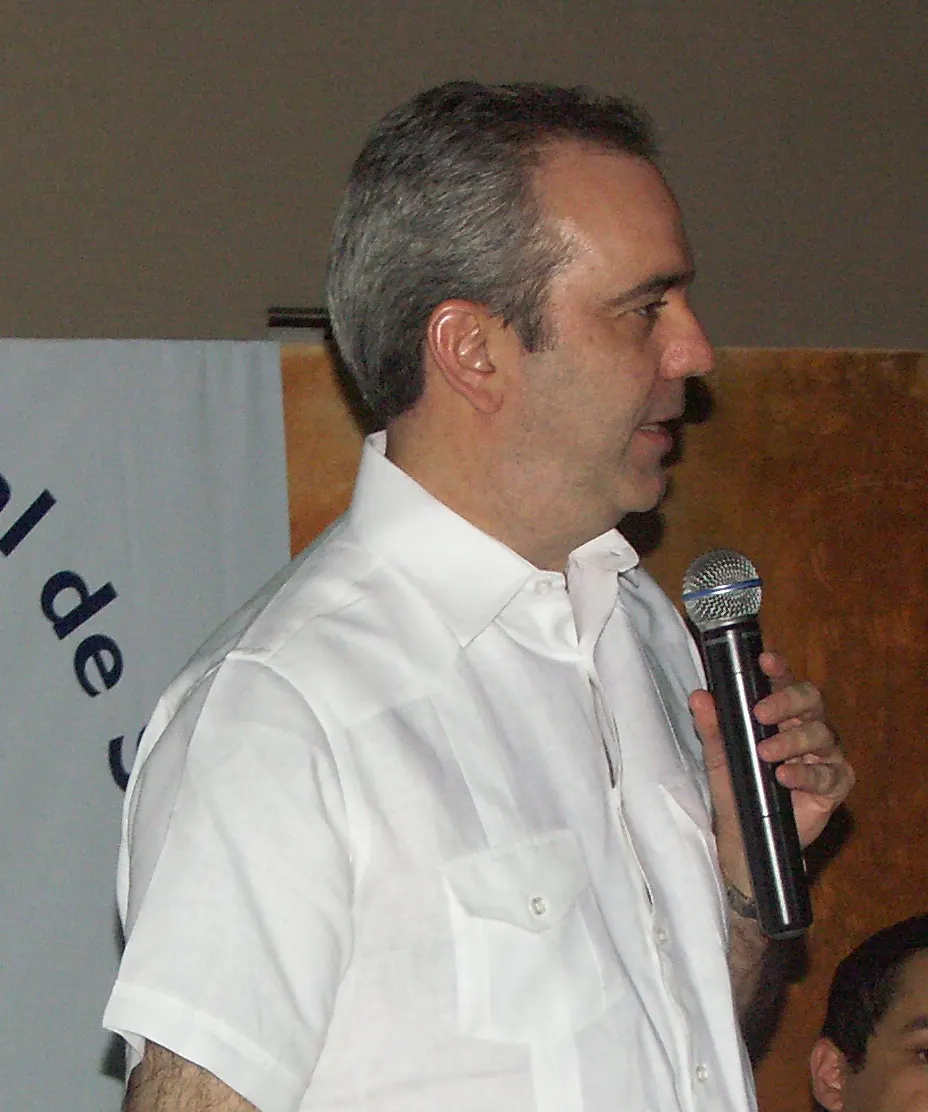
The Ministry of the Presidency officially presented plans for the nation's first commercial spaceport in Oviedo, Pedernales province, developed with Florida-based Launch On Demand Holdings. President Abinader confirmed the investment will exceed US$600 million, with universities already mapping the engineering and technical careers the facility will demand.
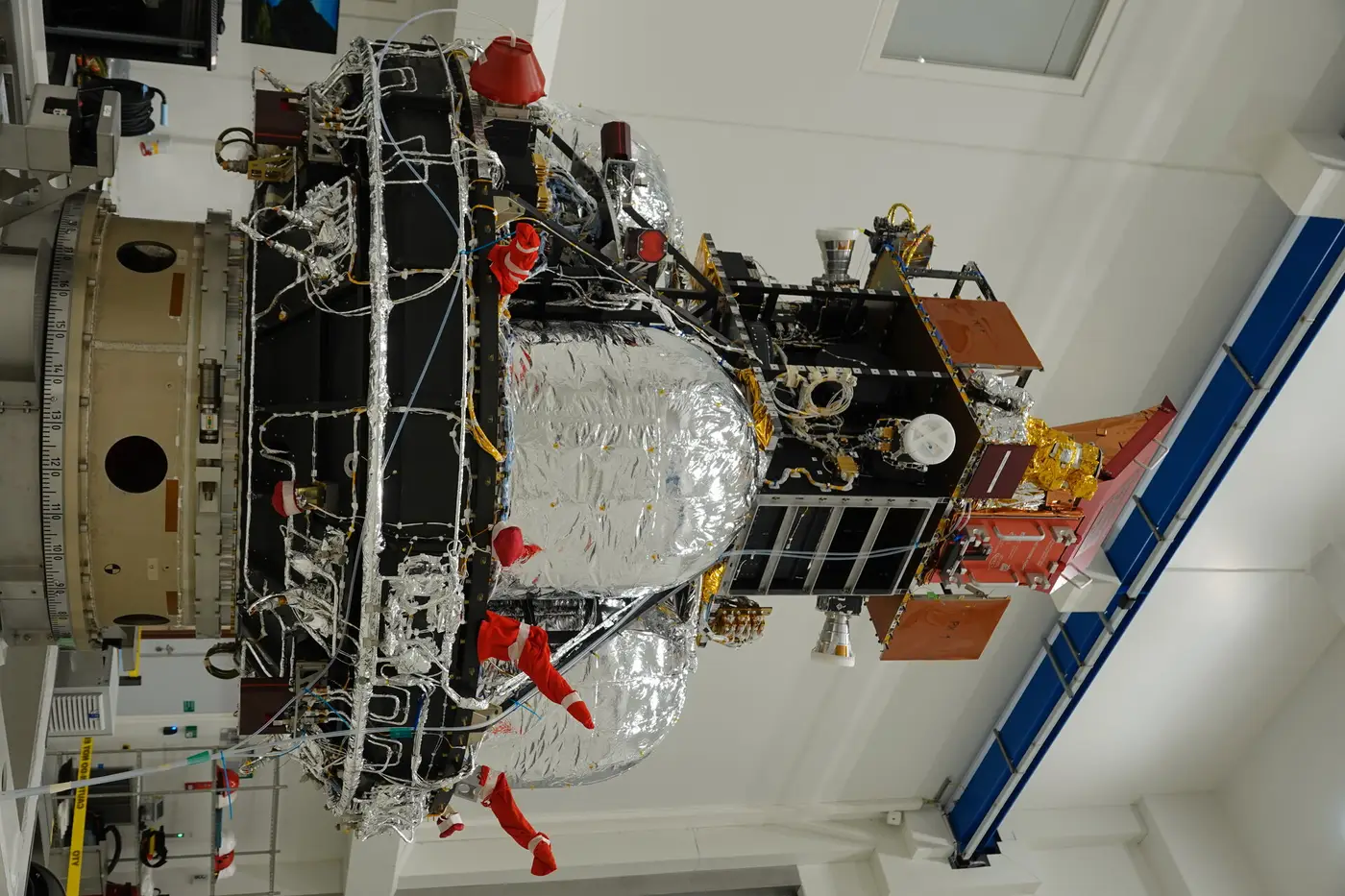
The European Space Agency's Smile spacecraft, a joint Earth-science mission with the Chinese Academy of Sciences, has arrived at Europe's Spaceport in Kourou, French Guiana after a two-week ocean transit. The craft will undergo final integration and fueling ahead of a Vega-C launch window opening April 8, with Smile designed to study how Earth's magnetosphere responds to solar wind activity.
President Luis Abinader has signed a strategic partnership with U.S.-based Launch on Demand to develop a commercial spaceport in the province of Pedernales, representing a $600 million investment in Caribbean launch infrastructure. The initiative targets a first orbital launch from Dominican territory before May 2028, positioning the island nation as a regional hub for commercial space access.